Note- this post was updated January 2026. Though it still focuses on a family practice, and I no longer post on that topic, the key takeaways are still practical to any practitioner.
When I first brought my children into my practice, I was excited to share my grimoire. It was neat, text-heavy, and meticulously organized. My kids… weren’t impressed. It felt like a textbook to them. There was no connection.
So I gathered my crafting materials and created a new blank book we could fill together. Over time, I noticed what drew each of them:
My son gravitated toward the moon phases, learning them almost instinctively.
My daughter loved folklore, kitchen witchery, and making tea blends.
A family grimoire doesn’t have to be perfect—it has to be alive, usable, and reflective of your family’s practice.
Grimoire vs Book of Shadows
For clarity: I use these definitions.
Grimoire – is a sacred text that contains the collective knowledge, wisdom, and spiritual traditions of a family. It serves as a guide and record of spells, rituals, moon phases, elemental energies, and magickal correspondences.
Book of Shadows – s a personal journal compiled by an individual practitioner. The book acts as a record of spells and rituals, divination practices, reflections and documents their personal experiences and spiritual growth.
Now, on to the good stuff!
Select your Grimoire Medium
There are 2 main options when it comes to creating a grimoire; physical and digital. Most people probably prefer a physical book while others more modern folks may opt for a digital version.
Physical
Tangible, hands-on, perfect for crafts
Can include pressed flowers, herbs, sketches, and small artifacts
Adjustable bindings (discs, scrapbooks) make adding pages easy
Pros: tactile, visible, engaging
Cons: limited by book size, may need to be replaced with age
Digital
Convenient, easy to back up, multimedia-friendly
Ideal for calendars, photos, and quick references
Pros: organized, searchable, flexible, doesn’t wear over time
Cons: less tactile, not as craft-oriented
Tip: I use both. Physical for family use, digital (Trello) for backup and organization.
Structure and Organization
Divide your grimoire in a way that makes sense for your family. Examples:
Rituals & spells – kid-friendly or full practice
Moon & sun cycles – charts, notes, observations
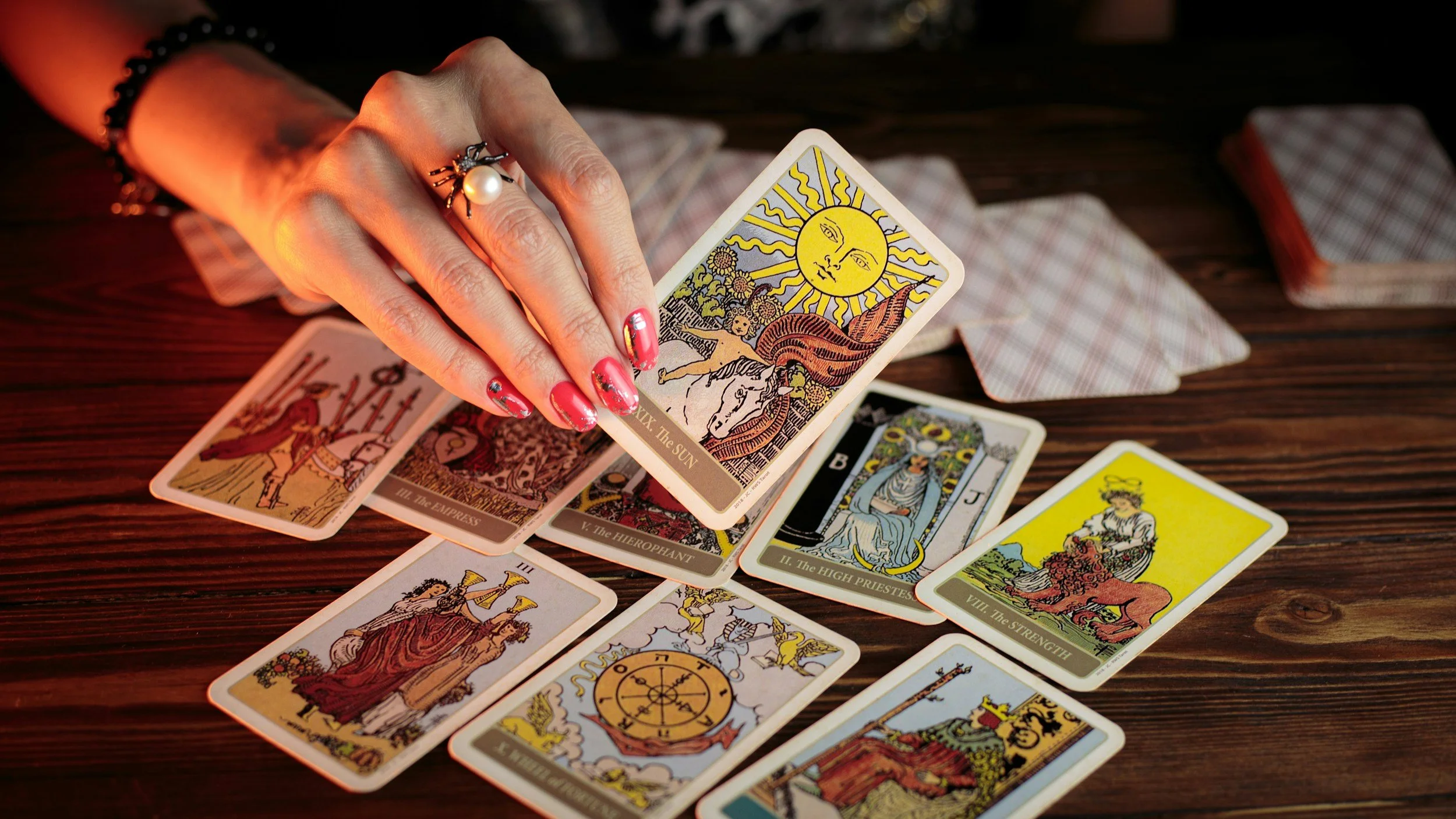
Divination & journaling – tarot spreads, scrying notes
Crafts & projects – seasonal decorations, tools, or magical crafts
Reflections & stories – anecdotes, successes, challenges
Tip: Use tabs or dividers so everyone can find things easily.
Encourage Family Collaboration
Make grimoire-building a shared activity:
Have weekly or monthly sessions to add new entries
Let each child focus on what excites them: moon, herbs, folklore, or crafts
Include simple, age-appropriate spells or rituals
Add micro-crafts or daily magic prompts
Try this: Ask each family member to draw a page, even one small section, this week.
Adding Personal Touches
Your grimoire should reflect your family.
Handwritten notes, sketches, doodles, or symbols
Photos or artifacts from rituals
Collages or pressed herbs
Personal anecdotes or reflections
The goal is connection. Not perfection.
Final Thoughts
A family grimoire is a living book. The journey matters as much as the finished product. It’s about sharing knowledge and practice, anchoring family rituals and keeping magic tactile, playful, and personal.
Even one small page, a sketch, or a shared craft is progress. Over time, your grimoire becomes a reflection of love, creativity, and family magic.
May your family grimoire be a reflection of love, wisdom, and unity.
Receive more seasonal rituals, tactile crafts, and ritual inspiration throughout the year.