Yule: Celebrating Light in the Dark

The winter solstice is the shortest day and longest night of the year. Yule celebrates the return of light and the rebirth of the sun. It’s a time to reflect on endings, honor the quiet months, and prepare for the spark of growth ahead. Whether your traditions lean pagan, folkloric, or secular, this season invites attention to cycles, home, and warmth.
Brief History
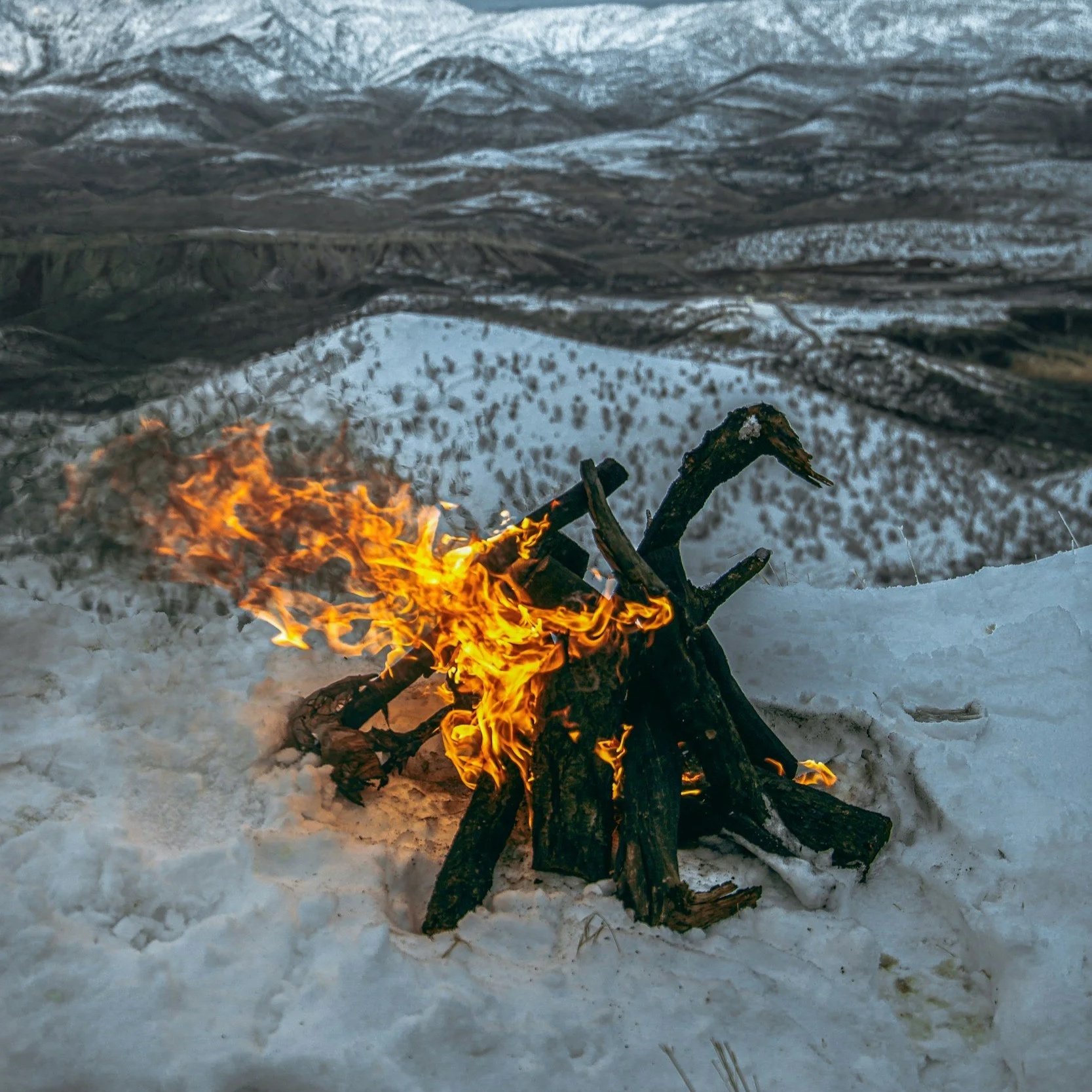
Yule has been celebrated in many cultures for centuries. In Scandinavia, Yule festivities stretched from December 21st into January, influencing modern Christmas traditions. People decorated evergreens with symbols of gods, runes, clothing, and food to protect their homes and invite prosperity. The burning of the Yule Log was central: families would sing, throw holly into the flames, and save a portion of the log for the next year.
Celtic traditions also honored the sun god’s rebirth with decorated trees and offerings. The Oak King and Holly King folklore symbolizes the seasonal battle between light and dark — one reigns from Yule to midsummer, the other from midsummer to Yule.
Other traditions include wassailing, a precursor to caroling, in which people sang and offered to orchards and neighbors to ensure fertility and protection for the coming year. Many of these customs were absorbed into Christian traditions, including the choice of December 25th for Christmas.
Seasonal Correspondences
Colors: red, green, white, gold, silver
Plants & Herbs: pine, fir, cedar, holly, ivy, mistletoe, rosemary, thyme, peppermint, clove
Crystals: bloodstone, garnet, ruby, citrine
Animals: bear, boar, stag, robin, wren, cardinal
Deities: Aphrodite, Gaia, Holle, Apollo, Dionysus, The Green Man, Odin, Saturn
Magical Focus: light, rebirth, purification, divination, messages/omens, transformation
In the Home / Crafts
Yule is tactile and sensory. Bring the season into your space with warmth and intention:
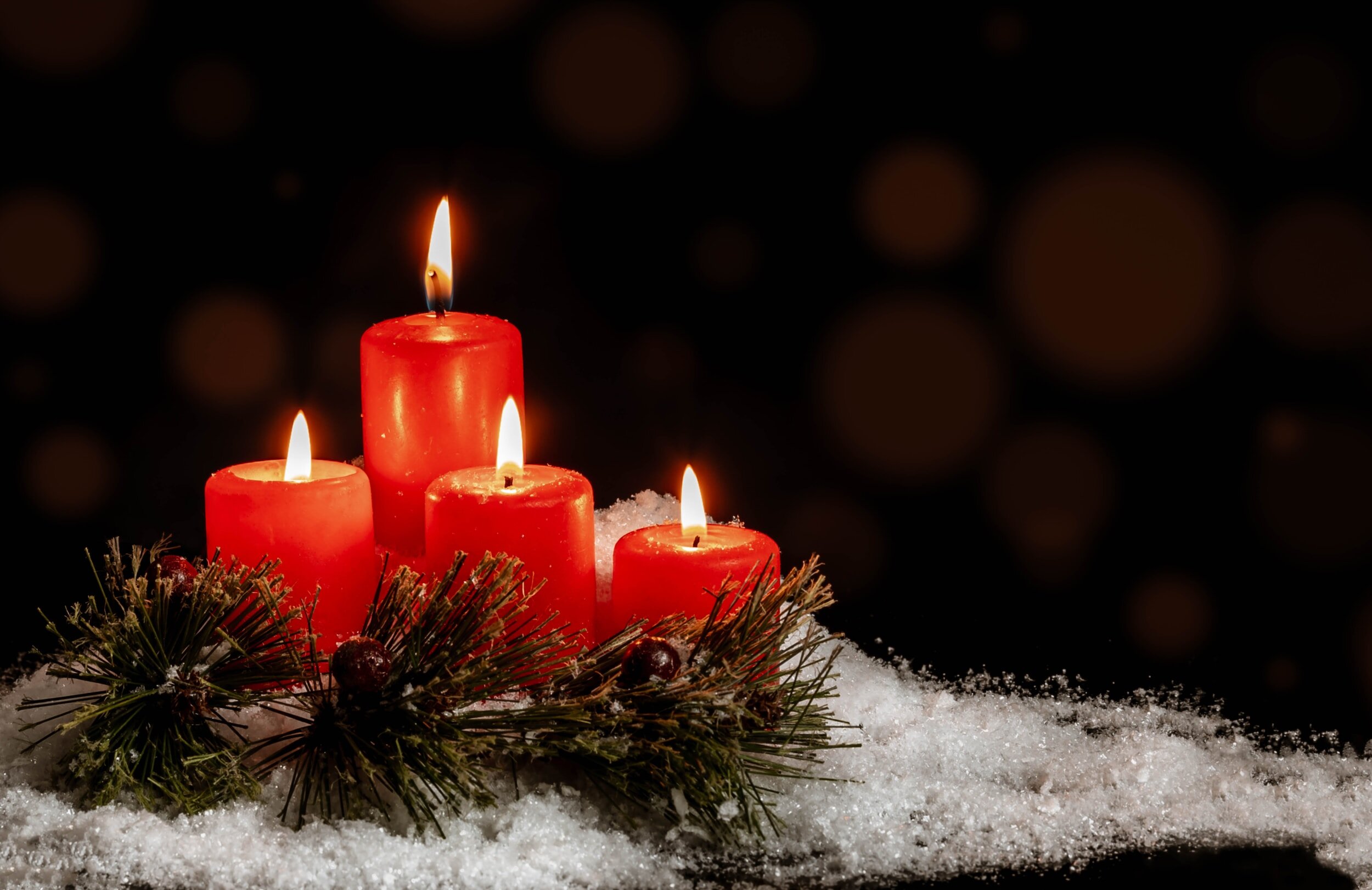
Decorate with candles in seasonal colors and natural textures.
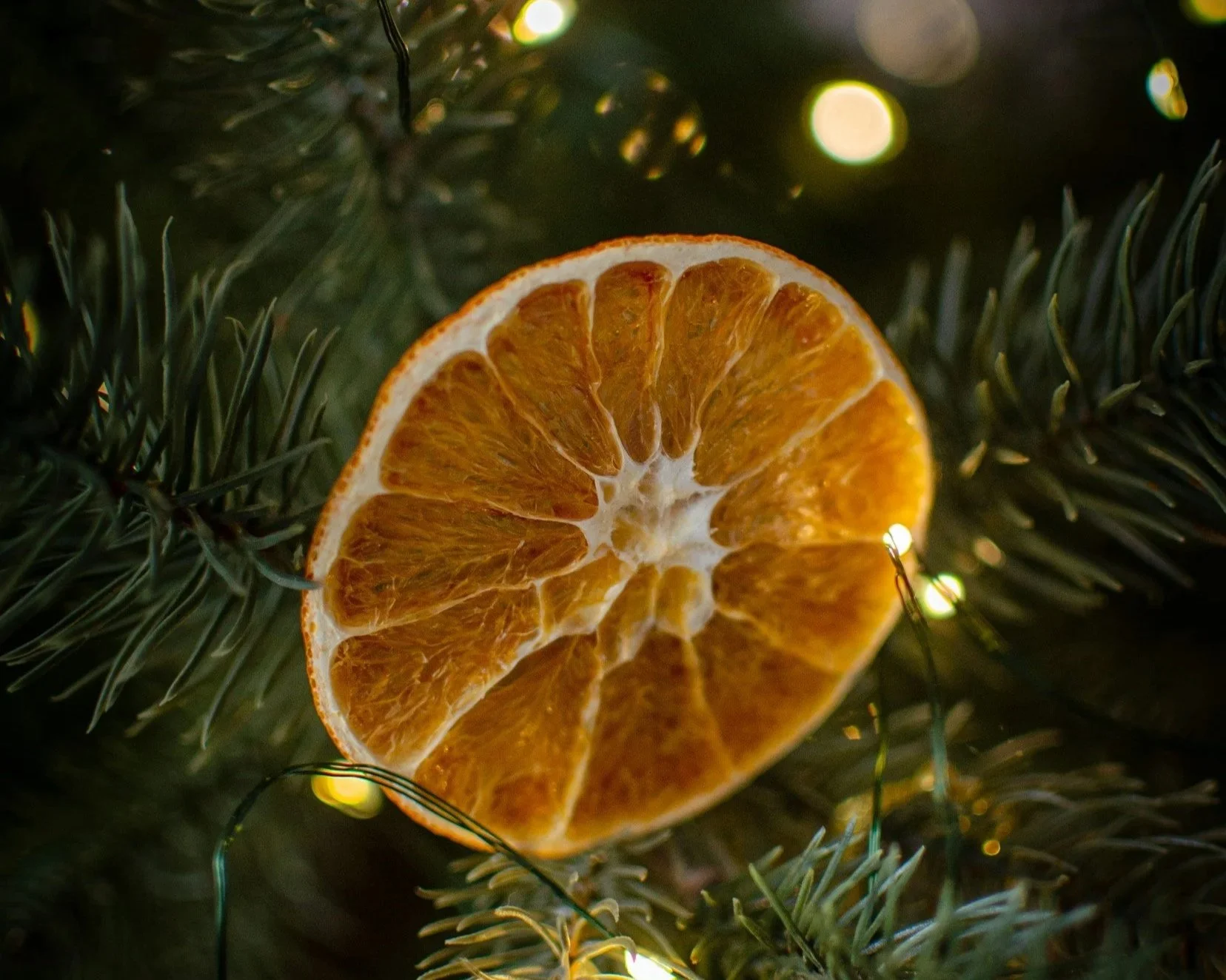
Create handmade Yule ornaments or wreaths from pinecones, cinnamon sticks, dried oranges, and ribbons.
Light a small fire or candles to connect with the returning sun.
Set up an altar with symbols of light, continuity, and protection, perhaps adding seasonal herbs or crystals.
Engage in small rituals that honor endings and beginnings: letting go of what no longer serves you, and making space for new growth.
In the Kitchen
Winter cooking becomes an act of devotion and comfort:
Bake spiced cookies, fruit cakes, or a Yule log.
Roast root vegetables, prepare hearty breads, or simmer warming spiced cider or wassail.
Use seasonal fruits like cranberries, oranges, and pomegranates to represent abundance and vitality.
Food becomes an offering to family, community, and the cycles of nature — a tangible way to honor Yule.
Family (Optional)
For families, Yule can be simple and magical without being elaborate. A few ideas:
Make ornaments or decorations together.
Share stories about seasonal folklore, the Oak and Holly Kings, or other winter myths.
Light candles together and talk about the year past and what you hope to bring into the new year.
Read The Holly King and The Oak King from Castle Fest
Journal / Divination
Reflect and plan with the turning of the season:
What feels heavy or dark, and what needs release?
How can you invite more light and warmth into your life?
What seeds — creative, practical, or spiritual — do you want to plant for the coming months?
What rituals, intentions, or habits will carry you forward through winter and into spring?
Final Thoughts
Yule is about noticing the cycles of life, tending small fires of warmth and intention, and letting the long night remind you that even in quiet and cold, growth continues. Your home, heart, and hands can all participate in this gentle, grounding magic.
"Through the longest night, I honor the cycles of life. I nurture warmth, light, and love, and carry the fire of the season into the new year."
Receive more seasonal rituals, tactile crafts, and ritual inspiration throughout the year.